STAMEN
Where pollen is made
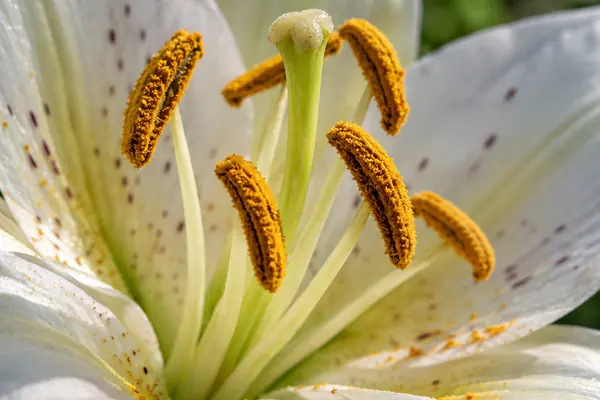
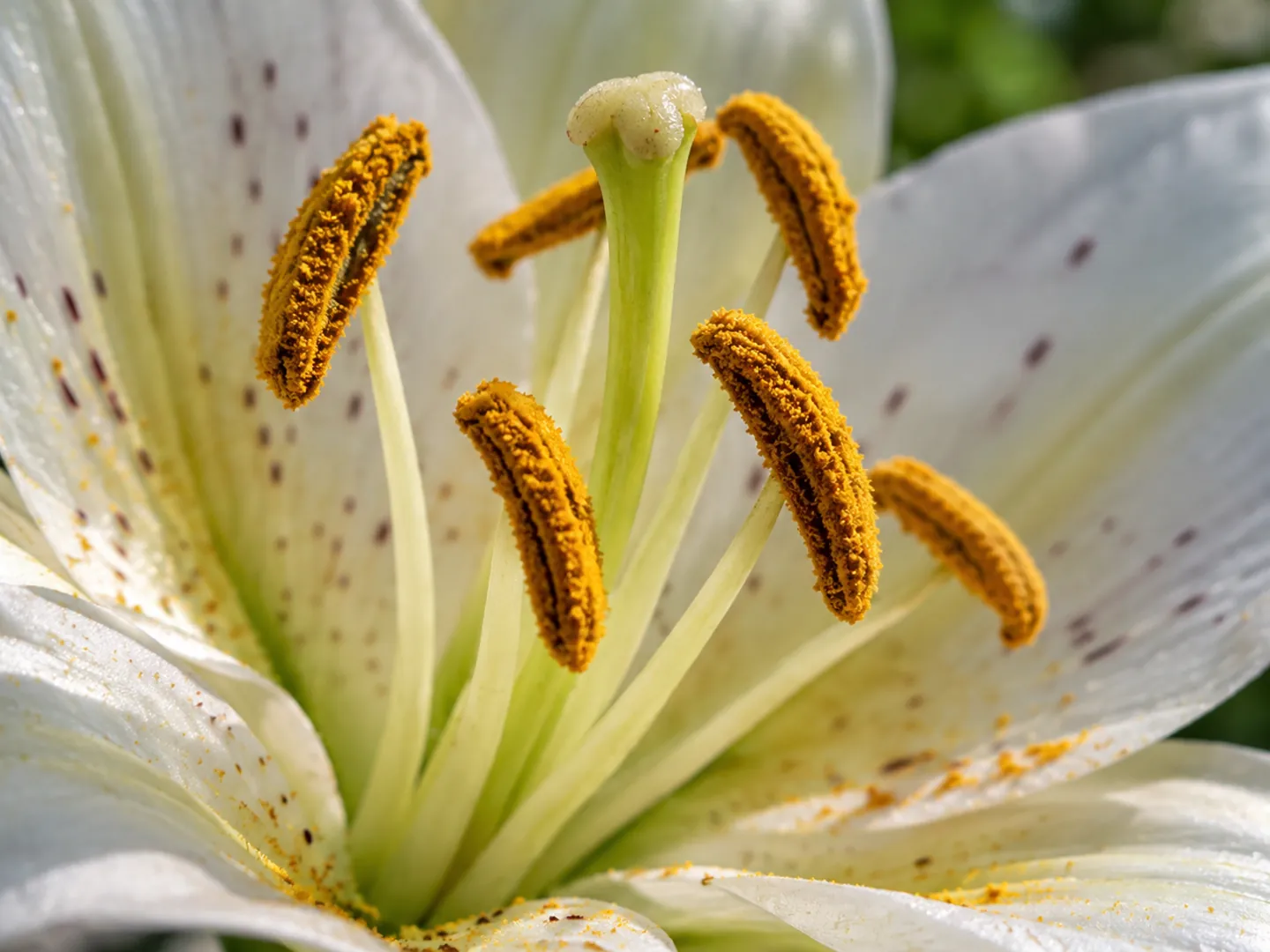
The stamen is the male part: an anther that makes pollen, held up on a thin filament so pollinators or the wind can reach it.
See the trends doodlepart
A PLAIN-ENGLISH GUIDE TO FLOWERS
A flower is built to move pollen.
Meet the parts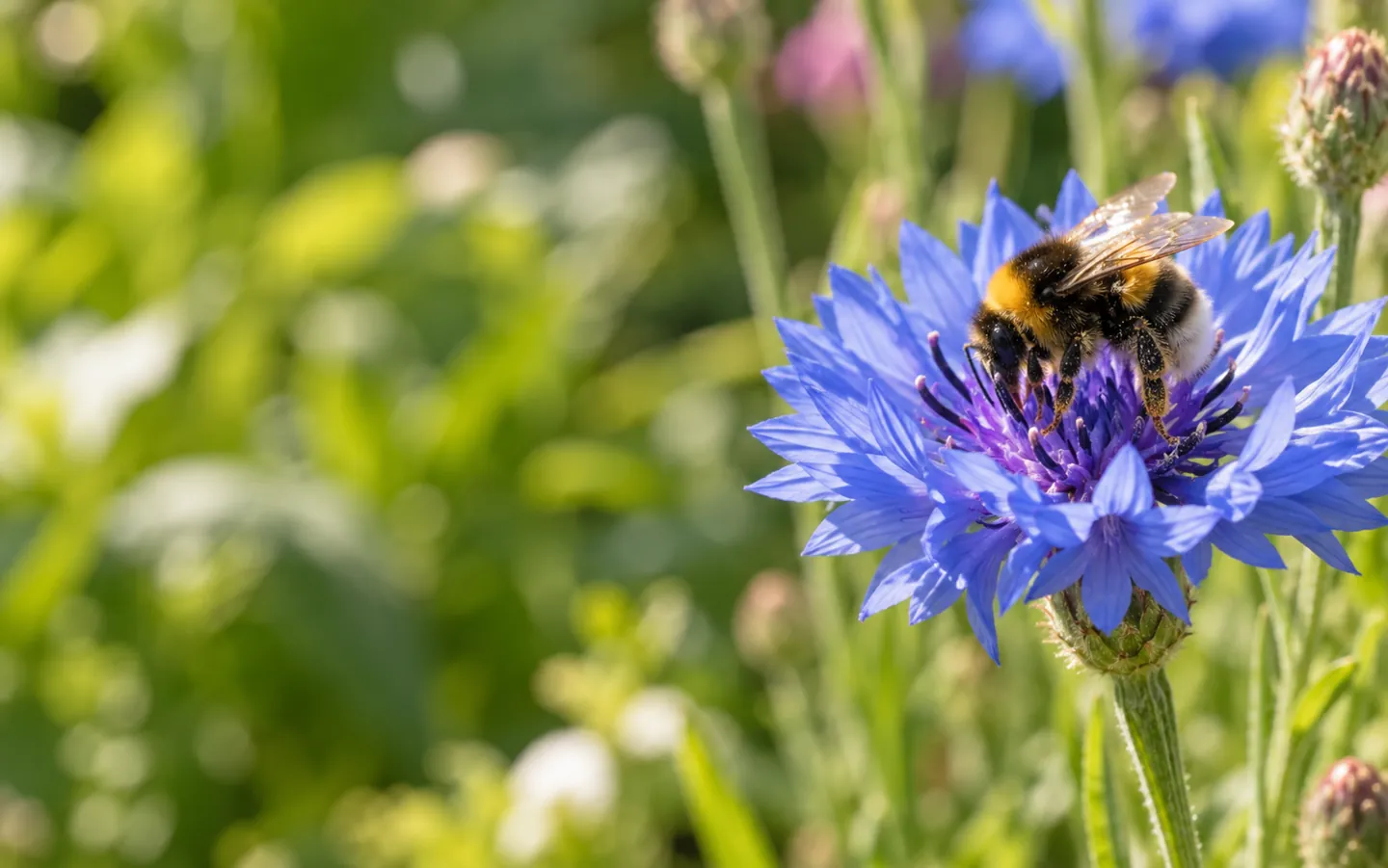
POLLENfrom anther to stigma
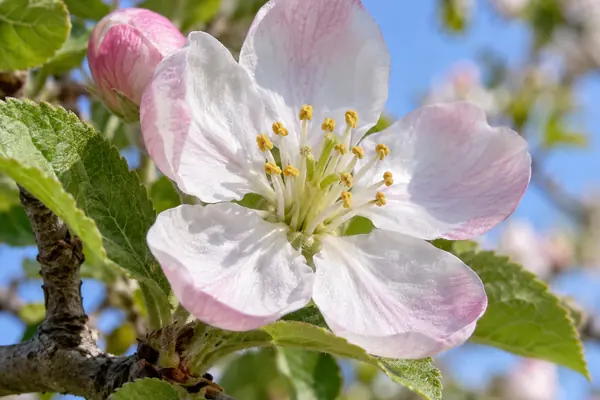
Petals attract visitors, anthers make pollen, and a sticky stigma catches it. When pollen reaches the stigma, fertilisation and seeds usually follow, and that is how strawberries, apples and peas form.
At a glance
393 species
Bee and hoverfly species tracked
The UK indicator follows 158 wild bee and 235 hoverfly species, chosen because bees and hoverflies are known to be important pollinators.
UK INDICATOR · JNCC
23% lower
Fall in pollinator distribution by 2024
The indicator fell from 1987 onwards and in 2024 was 23% below its 1980 value. JNCC says the overall trend remains downward.
CHANGE SINCE 1980 · JNCC
TWO NUMBERS WORTH KNOWING
One figure for what is tracked,
one for how it has changed.
JNCC notes that more diverse pollinator communities are, broadly, more effective at pollinating a wider range of crops and wild flowers.
HOW ARE UK POLLINATORS DOING?
Pick a group and a time span. The value is the share of species that became more widespread, measured by how many 1 km squares they were recorded in. The bar shows that share.
JNCC labels this an official statistic in development. The separate wild bee figures run to 2022 and have not been updated since.
THE SHORT ANSWER
Three ideas that explain
most of a flower.
STAMEN
The stamen is the male part: an anther that makes pollen, held up on a thin filament so pollinators or the wind can reach it.
See the trendsCARPEL
The carpel is the female part: a sticky stigma catches pollen, the style joins it to the ovary, and the ovary holds the unfertilised seeds.
From flower to fruitPOLLINATORS
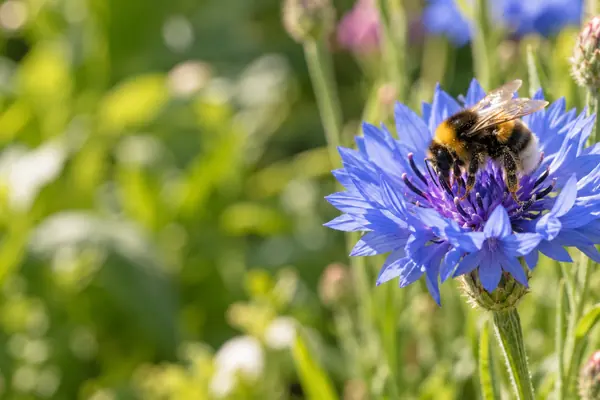
Pollination is moving pollen from anther to stigma. Some flowers use insects or other small creatures, others the wind. Bees and hoverflies are key UK pollinators.
Help them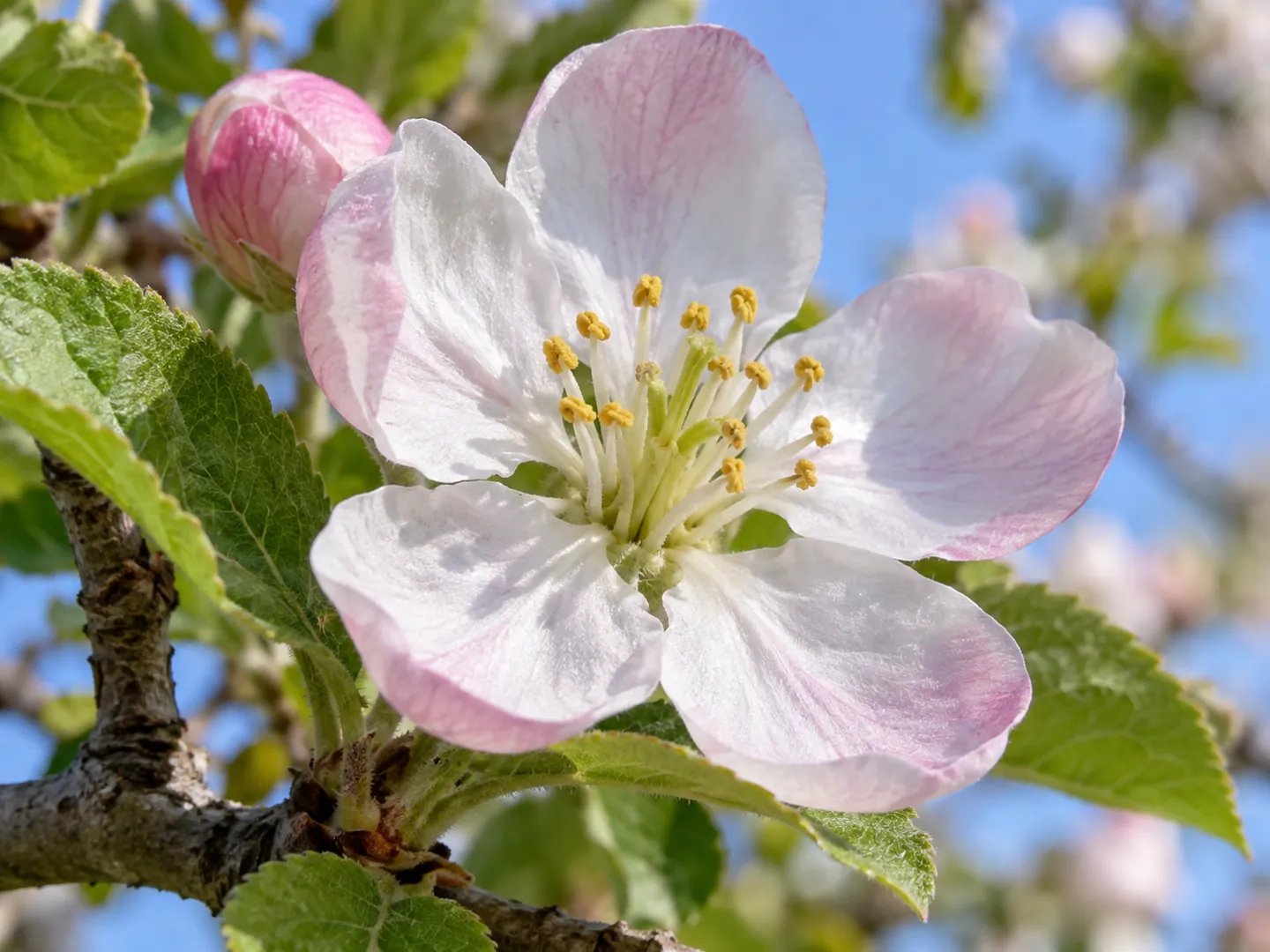
HELP THE GO-BETWEENS
Pollinators include bees, hoverflies, beetles, flies, butterflies and moths, and England has had a National Pollinator Strategy since 2014. The RHS says gardens can hold more pollinators than surrounding farmland; these steps come from its advice.
Choose nectar- and pollen-rich plants. The RHS suggests easy hardy annuals such as cosmos, borage, phacelia and cornflower.
Letting lawn 'weeds' flower gives extra food in places that usually have none.
A shallow dish filled with stones or marbles and water gives bees a safe place to drink.
The RHS recommends non-chemical controls. Hoverfly larvae eat aphids, so some 'pests' feed future pollinators.
FROM FLOWER TO FRUIT
Many fruit and vegetables need insects to carry pollen before fruit can form. The RHS names strawberries, apples, raspberries, broad beans, peas and courgettes. If there are not enough insects, fruit may not form, which is why commercial fruit farmers import bumblebees.
The other parts matter too. Sepals are the leaf-like covers that protect the bud, and the receptacle at the base carries the weight of the whole flower. Pollination can also be done by hand, to breed new plants or when there are few natural pollinators.
Questions
The RHS defines it as moving pollen grains from a male anther to a female stigma, either within the same flower or between two flowers. It is usually followed by fertilisation and seed production.
The stamen is the male part, made up of the anther and filament. The carpel is the female part, made up of the stigma, style and ovary.
No. Some flowers are pollinated by insects or other small creatures, while others are pollinated by the wind. Flowers can also be pollinated by hand.
JNCC's indicator for 393 bee and hoverfly species was 23% lower in 2024 than in 1980, with no change between 2019 and 2024. Wild bees on their own had risen to 19% above 1980 by 2022.
The RHS recommends nectar- and pollen-rich plants from its Plants for Pollinators lists. Easy hardy annuals include cosmos, borage, phacelia, cornflower, English marigold and sunflower.
Sources
ABOUT THIS NAME
doodlepart.com is part of the DoodleSale portfolio. It isn't in an auction right now, but you can ask about leasing it.